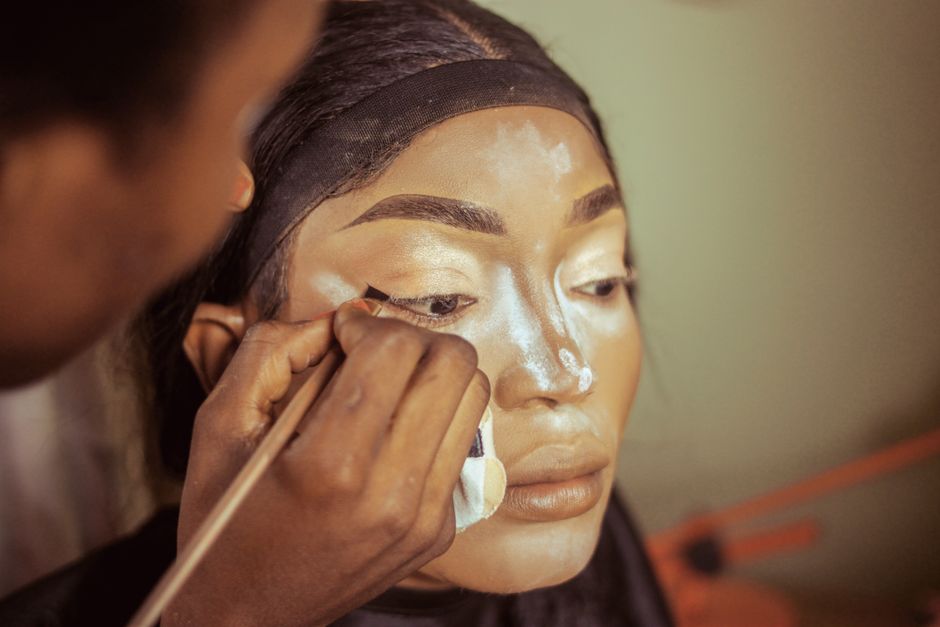
In the vibrant world of makeup artistry, contouring stands out as one of the most transformative techniques. For Nigerian women, achieving that perfectly sculpted look can be both exciting and challenging. With a spectrum of rich skin tones, from deep chocolate to golden caramel, finding the right contouring method is essential for enhancing natural beauty.
Whether you're a makeup novice or a seasoned beauty enthusiast, understanding how to contour for your unique skin tone can elevate your makeup game. Let’s dive into the art of contouring, crafted specifically for Nigerian skin tones, ensuring you step out with confidence and grace.
Understanding Skin Tones and Undertones
The Importance of Undertones
Your skin tone and undertone play a crucial role in determining the right contour products for you. While skin tone refers to the color of your skin, undertones are the subtle hues beneath the surface.
- Warm Undertones: Characterized by yellow, golden, or peach hues. Common among Nigerian skin tones.
- Cool Undertones: Consist of pink, red, or blue hues.
- Neutral Undertones: A mix of both warm and cool hues.
Identifying your undertone helps in selecting the perfect contour shades. It ensures that your makeup blends seamlessly with your natural skin tone, avoiding the dreaded 'muddy' look.
Choosing the Right Contour Products
Foundation and Contour Shades
Choosing the right foundation as a base is crucial. Opt for a shade that matches your neck and chest area for a harmonious look. For contouring, pick a product that is two shades darker than your foundation.
"The key to effective contouring lies in selecting shades that mimic natural shadows on your face," advises renowned makeup artist Ifeoma Adichie.
Cream vs. Powder Contour
Contouring products come in both cream and powder forms. Creams offer a dewy finish, ideal for dry skin, while powders are perfect for oily skin, providing a matte finish.
- Cream Contour: Blends seamlessly into the skin, offering a natural finish.
- Powder Contour: Provides a polished look and is great for beginners.
Step-by-Step Contouring Guide
Prepping Your Skin
Start with a clean, moisturized face. Apply a primer to ensure your makeup lasts all day, especially in Nigeria's humid climate.
Application Techniques
- Highlight: Use a lighter shade on areas you want to bring forward, such as the forehead, under eyes, and chin.
- Contour: Apply the contour product along the hairline, under the cheekbones, and along the jawline.
- Blend: Blend the products with a damp beauty sponge or brush for a seamless finish.
Contouring Tips for Different Face Shapes
Oval Faces
For oval faces, focus on the cheekbones. Highlight the forehead and chin to balance out the length.
Round Faces
Contour along the temples, cheeks, and jawline to create an illusion of a more defined shape.
Square Faces
Soften the angles by contouring the jawline and temples, while highlighting the center of the forehead and chin.
Common Contouring Mistakes to Avoid
Over-Contouring
Less is more when it comes to contouring. Start with a small amount of product and build up as necessary.
Mismatched Shades
Ensure your contour shade complements your skin tone to avoid a harsh, unnatural look.
Conclusion
Contouring, when done right, can significantly enhance your natural features and boost your confidence. By choosing the right products and techniques tailored to Nigerian skin tones, you can master this art form and enjoy a flawless finish every time. Remember, practice makes perfect, so keep experimenting until you find what works best for you.