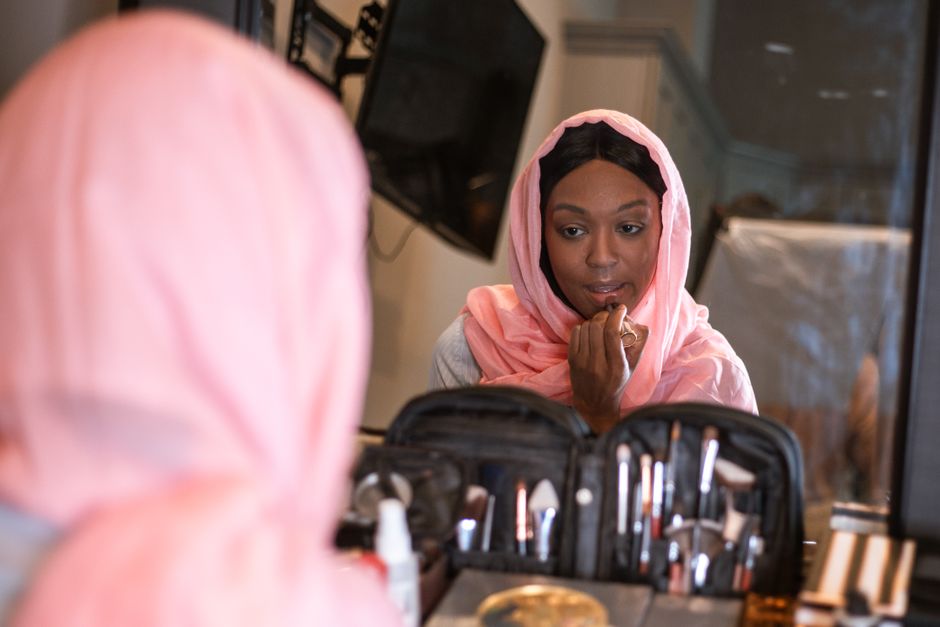
When it comes to makeup, the foundation is truly, well, foundational. It's the canvas on which you build the rest of your look, and getting it right can make all the difference in achieving a seamless, natural finish. For Nigerian skin tones, which are as diverse as they are beautiful, selecting the right foundation can be a game-changer. Whether you have a rich, ebony tone or a lighter caramel hue, understanding how to choose and apply foundation effectively is essential. Let's explore how you can master foundation to enhance your natural beauty.
Understanding Your Skin Tone and Undertone
Before you even think about buying foundation, you need to know your skin tone and undertone. These two factors are key to selecting a product that will complement your complexion rather than clash with it.
Identifying Your Skin Tone
Your skin tone is the surface color of your skin, ranging from light to medium to dark. In Nigeria, skin tones can vary significantly even within the same family. To identify your exact tone, observe your skin in natural light.
- Light Skin Tones: Often associated with fair or beige hues, usually with pink undertones.
- Medium Skin Tones: Caramel or honey shades, common in many Nigerian women.
- Dark Skin Tones: Ranging from chocolate brown to deep ebony.
Determining Your Undertone
While your skin tone is about depth, your undertone is about the hue that shows underneath your skin surface. Knowing whether you have warm, cool, or neutral undertones will guide you to the most flattering foundation.
- Warm Undertones: If your veins appear greenish, and gold jewelry flatters you, you likely have warm undertones.
- Cool Undertones: If your veins look blue and silver jewelry suits you better, you have cool undertones.
- Neutral Undertones: If both gold and silver look good, and your veins are difficult to define as blue or green, you're likely neutral.
Choosing the Right Foundation Formula
With your skin tone and undertone in hand, the next step is choosing the right foundation formula. This choice is crucial as it determines how the foundation will interact with your skin type and the environment.
Liquid Foundations
Liquid foundations are incredibly versatile and work well for most skin types. They come in various finishes, such as matte, satin, and dewy.
"For oily skin, opt for a matte liquid foundation to control shine. For dry skin, a more hydrating formula with a dewy finish is ideal."
Powder Foundations
Powder foundations are great for oily or combination skin as they help absorb excess oil. They're less ideal for dry skin as they can accentuate dryness.
Cream Foundations
Cream foundations provide full coverage and are often chosen for special occasions. They work best for normal to dry skin, as they tend to be more moisturizing.
Techniques for Flawless Application
Even with the perfect foundation, application matters. Here’s how to apply your foundation like a pro.
Preparing Your Skin
Start with a clean, moisturized face. Use a primer suited for your skin type to create a smooth base.
Using the Right Tools
You can use a brush, sponge, or your fingers. Each tool offers a different finish:
- Brush: Offers a polished, airbrushed effect.
- Sponge: Perfect for blending and achieving a natural finish.
- Fingers: Ideal for quick application and warming the product into the skin.
Layering for Coverage
Start with a small amount and build up coverage where needed. Less is more; you can always add more if necessary.
"Blend, blend, blend! Seamless blending is key to avoiding harsh lines and achieving a natural look."
Common Mistakes and How to Avoid Them
Choosing the Wrong Shade
A common mistake is choosing a shade too light or too dark. Test foundations on your jawline to match your face and neck.
Skipping Primer
Primer helps your foundation last longer and look smoother. Skipping it can result in a patchy finish.
Over-applying Product
Using too much foundation can lead to a cakey look. Apply thin layers and build as needed.
Ignoring Lighting
Always check your foundation in natural light to ensure it matches and blends well.
Adapting Your Routine for Weather Changes
Nigeria's climate can vary, and your makeup routine should adapt accordingly. Here’s how to adjust your foundation routine based on weather conditions.
During the Dry Season
Focus on hydration. Use a hydrating primer and a dewy foundation to combat dryness.
During the Rainy Season
Humidity can cause makeup to slip. Opt for long-wearing, matte formulas and set with powder to minimize shine.
Conclusion
Mastering foundation for Nigerian skin involves understanding your unique skin characteristics and choosing products that enhance your natural beauty. By knowing your skin tone and undertone, selecting the right formula, and applying it skillfully, you can achieve a flawless base every time. With these tips and techniques, foundation becomes less of a mystery and more of an art. Embrace the journey to discovering your perfect foundation routine, and let your inner beauty shine through.