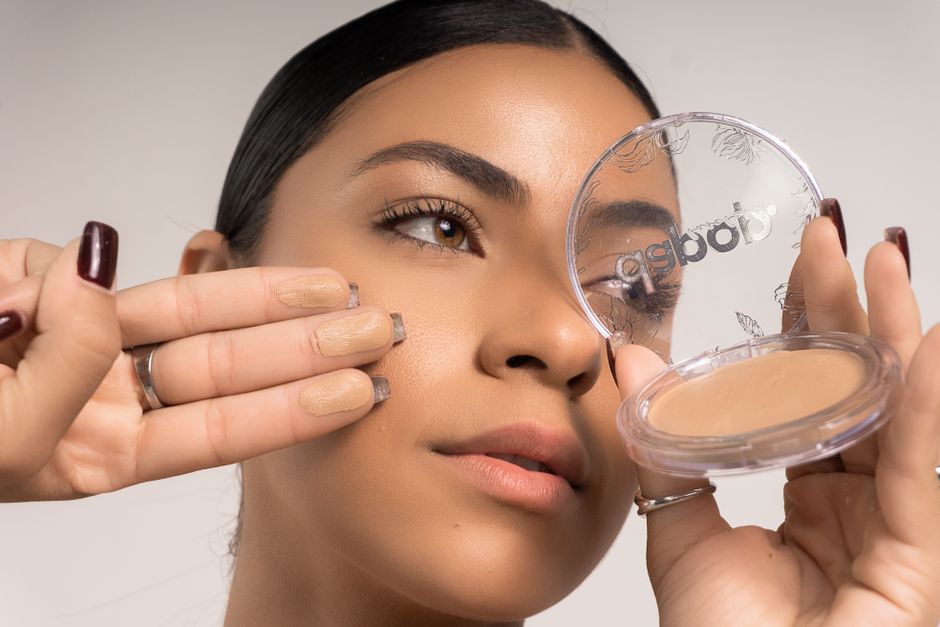
You've picked what you thought was the perfect shade of foundation. You swiped it onto your cheek at the store, it matched seamlessly, and you felt like you'd finally unlocked the secret to a flawless base. But hours later, you catch a glimpse of yourself in the mirror and gasp. That perfect shade has morphed into a darker, orange hue, leaving you looking like a faded photo. If this sounds familiar, you're not alone. Foundation oxidation is a common issue, especially in environments with high humidity and heat like Nigeria. The first step in tackling this problem is understanding why it happens and then experimenting with solutions.
The chemistry behind oxidation is quite simple. When your foundation is exposed to air and mixes with the oils on your skin, a chemical reaction occurs that can alter the color. It's similar to how an apple turns brown after being sliced. The good news is that you're not powerless against this process. With a few strategic tweaks to your makeup routine, you can keep your foundation looking fresh and true to color.
Identifying the Culprits of Oxidation
Check Your Skincare Routine
Your skincare products lay the groundwork for how your makeup will behave throughout the day. Heavy moisturizers or oils can mix with your foundation and speed up oxidation. Opt for oil-free, lightweight skincare products that still provide the hydration you need without the excess grease.
Ingredients Matter
Some ingredients in foundations are more prone to oxidation. Look for formulas that are low in oils, talc, or pigments that oxidize easily like titanium dioxide. Products labeled as 'long-wear' often have ingredients that resist oxidation, so keep an eye out for those.
Application Techniques that Make a Difference
Primer is Your Best Friend
Primers are designed to create a barrier between your skin and your foundation. Choose a mattifying primer if you have oily skin or a hydrating one for dry skin, but always select one that's non-comedogenic. A primer not only helps your foundation stay put but also minimizes the chances of oxidation by reducing oil breakthrough.
Layer Smartly
A thick layer of foundation is more likely to oxidize because it's harder for the skin to breathe. Instead, apply thin layers and build coverage only where necessary. A damp beauty sponge can help create a more natural finish without saturating your skin with product.
Post-Application Tips to Keep Oxidation at Bay
Setting and Finishing Sprays
Consider using a setting spray to lock in your look. A good setting spray controls oil and provides a protective layer against environmental factors that can contribute to oxidation.
Blotting Papers
Throughout the day, make it a habit to use blotting papers to absorb excess oil. This small step can significantly reduce the chemical interactions that lead to oxidation, helping your makeup stay true to shade.
Go Beyond Traditional Products
Mixing Adjusters
Mixing adjusters are concentrated pigments you can add to your foundation to counteract unwanted tones. They come in handy when your foundation starts to oxidize. A touch of blue or green can neutralize the orange tint.
Custom Blending
Sometimes, the best solution is to create your own perfect shade. Mixing two foundations can help balance out undertones and offer a buffer against oxidation.
"Finding a foundation that doesn't oxidize can be transformational. It's about experimenting with combinations and discovering what works for your unique skin chemistry."
Conclusion
Foundation oxidation can feel like a never-ending battle. However, by understanding the root causes and implementing these strategies, you can achieve a flawless complexion that lasts all day. The journey to finding the perfect foundation is personal, but with a bit of knowledge and experimentation, the results can be stunning.