There's nothing quite as satisfying as nailing that perfect eyeshadow look. The kind that makes your eyes pop and gives you an air of confidence as you step out. But sometimes, even with the best intentions, the result doesn't quite match the vision. One of the most common culprits? Over-blending. Yes, it's possible to blend your eyeshadow too much, leaving your colors looking muddy and your eyes lacking definition.
Over-blending can turn a colorful look into an indistinct wash of color, which is not what most of us aim for. You want each shade to stand out while seamlessly transitioning into the next. So, how do you strike that balance? Let's delve into this common mistake and explore how you can avoid it, ensuring your eyeshadow game is always on point.
Understanding the Over-Blending Mistake
Over-blending often happens when you're trying to achieve that flawless gradient or simply when you're not quite sure when to stop. It involves blending the eyeshadow colors so much that they lose their distinctiveness. Instead of a beautiful transition from one shade to another, you end up with a muddied look.
Why It Happens
Several factors can lead to over-blending. You might be using the wrong brush, applying too much pressure, or using too many shades without a plan. Sometimes, it’s simply a lack of confidence in your technique that makes you overwork the colors.
"The key to perfect eyeshadow is to blend until your hand wants to stop, then blend a bit more — but not too much!"
Signs of Over-Blending
- The colors appear muddy and indistinct.
- The eyeshadow lacks depth and dimension.
- Your intended gradient is not visible.
Choosing the Right Tools
Your eyeshadow brush is your magic wand, and using the right one is crucial. Different brushes serve different purposes, and using the right one can prevent over-blending.
Brush Types
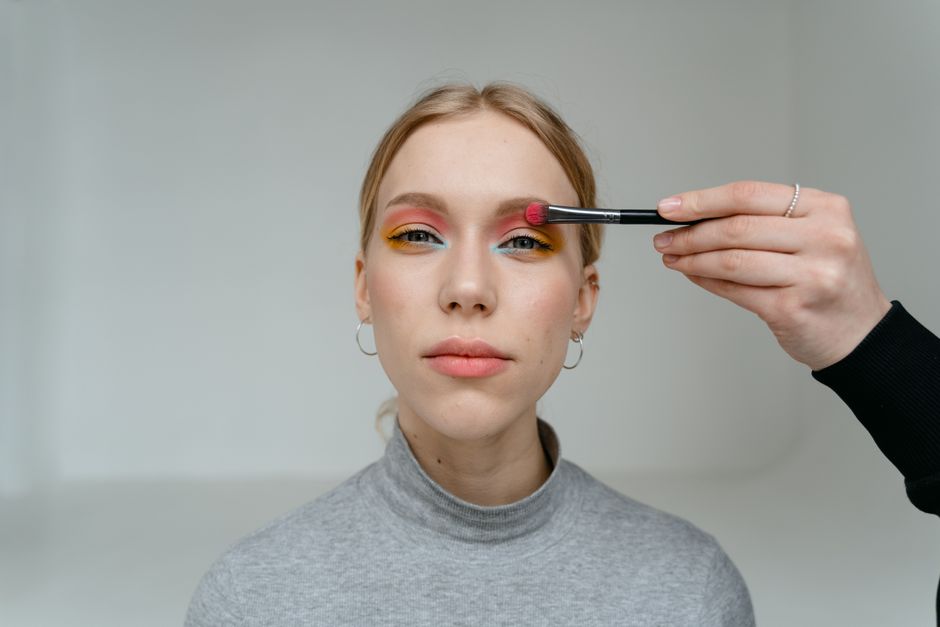
A fluffy blending brush is great for softening harsh lines, but it can also be a culprit in over-blending if used too aggressively. A smaller, denser brush can provide better control over where the product is applied and blended.
- Fluffy Brushes: Best for softening edges, but use with a light hand.
- Dense Brushes: Ideal for packing color and maintaining control.
Perfecting Your Technique
Technique is everything in makeup, and eyeshadow application is no exception. Knowing how to blend without overdoing it can transform your entire look.
Layer with Intention
Start with your lightest shade and gradually build up to the darker shades. This approach not only prevents over-blending but also helps you achieve that beautiful gradient look.
Use a Light Hand
Less is more. Apply gentle pressure with your brush to blend the shades. It's easier to add more product than to take it away once it’s on your lid.
Step Back and Assess
Sometimes, stepping back and looking at your work from a distance can help you see if you’ve blended enough or need to stop. It’s an old artist trick that's equally handy for makeup.
Choosing the Right Products
The quality of your eyeshadow can also impact how it blends. Investing in good quality eyeshadows can make a significant difference.
Highly Pigmented Shadows
Products with higher pigmentation require less product to achieve vibrant looks, reducing the risk of over-blending.
Blendability
Look for products that are known for their blendability. These often give you the flexibility to achieve the desired look without turning into a muddy mess.
Practice Makes Perfect
Like any skill, perfecting your eyeshadow technique takes time and practice. Don’t be afraid to experiment with different looks and techniques to find what works for you.
Experiment with Colors
Bold colors can be intimidating, but they’re also a fantastic way to practice controlling your blending technique. Start with more subtle shades and work up to the bold ones.
Seek Feedback
Sometimes, asking a friend for their honest opinion can provide insights you might not see in the mirror. Constructive criticism can help you improve.
Conclusion
Over-blending your eyeshadow is a common mistake, but it’s one that’s easily fixable with the right tools, techniques, and a bit of practice. By understanding the pitfalls and learning how to avoid them, you can ensure your eyeshadow looks are always sharp, vibrant, and eye-catching. Remember, the goal is to enhance your natural beauty, not to mask it. So go ahead, experiment, and most importantly, have fun with your makeup journey.